It is essential to identify and expand on successful programs such as this recent one to maximize effective aid to those in need. If unnecessary programs are cut and the money is allocated more efficiently to more effective programs, poverty and homeless levels could be drastically reduced.Not every antipoverty program meets its goals and deserves to be protected,” the report by Dr. Mark Levitan, the center’s director of poverty research, says, “but calls for across-the-board cutbacks to programs that help low-income families cannot be justified by the assertion that when it comes to poverty, ‘nothing works.
Showing posts with label Poverty. Show all posts
Showing posts with label Poverty. Show all posts
Wednesday, April 13, 2011
Last Minute Push Keeps Poverty In Check
Recently in New York, there have been fears that many more people would fall into poverty due to the recession. Currently 19.9% of the city's population lives in poverty. Without a flood of food stamps and tax benefits for low-income families, about 250,000 more New Yorkers would have fallen into poverty. Many people feel that most poverty aid programs are ineffective but in reality, some are essential to preventing more poverty. The Center for Economic Opportunity explains further in this article:

Tuesday, March 29, 2011
Poverty Wisespread in the Elderly
There's no doubt that poverty and homelessness is a growing problem in America. However, it appears that poverty is especially evident in elderly people. Nearly one in adults over the age of 65 live in a family with income below the official U.S. poverty line. Twenty percent of older adults who are black or Hispanic are poor, and poverty hits people with limited education and those who are not married especially hard. In an article by AARP, experts discuss this issue.
The main reason that so many elderly are forced into poverty is due to the unaffordable cost of housing. After retiring, people no longer have a steady source of income high enough to pay for necessities. Along with medication many elderly people have to buy, it's no wonder that so many old people are on welfare checks. This is not a problem that we can solve easily but with the right programs, the government can help alleviate this issue.The fact that 3.7 million older adults do not have sufficient cash income to meet their basic expenses too often escapes attention. By most accounts, elderly poverty is a problem we have largely solved. Since 1968 the poverty rate among adults age 65 and older has declined by about a third, falling from 25 percent in 1968 to 9.7 percent in 2008. In contrast, poverty among younger adults, and especially among children, has risen in recent decades even as a national prosperity, real gross domestic product per capita, has grown. But poverty-particularly poverty among the elderly- is mismeasured and poverty rates are still unacceptably high, especially for certain groups of older Americans.
Wednesday, March 9, 2011
A Day in the Life
As part of a project started by three recent college graduates who are interns at the BBH advertising agency, four homeless persons were given cell phones and asked to tweet about their daily routine to twitter. Derrick Wiggins, 44, posts about a dozen updates to twitter every day, offering a glimpse into the life of a homeless man in New York.
These sobering messages allow his 3,800 followers to better understand the situation many homeless people are in. When Wiggins couldn't pay the rent for his last apartment, he stayed with a friend before becoming fully homeless. Although his situation is unfortunate, he manages to stay upbeat, much to the credit of his followers who offer him encouragement. This experiment makes even more clear the importance of doing whatever is possible to help those in need.“The trains are warm and clean, a suitable refuge from the cold,” read a message posted at 9:13 a.m. He posted a photograph he snapped with his phone, of a homeless man sleeping on the subway, behind a shopping cart full of belongings.
“Who’s son, brother, uncle or father is he? What services are available?” Mr. Wiggins wrote.
Is Poverty Up or Not?
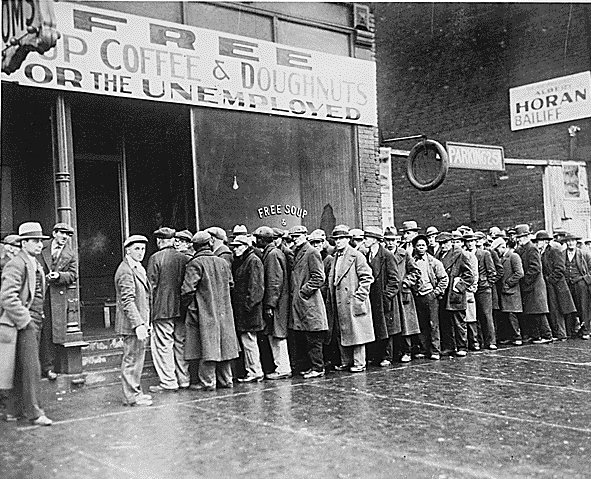
By the traditional non-experimental measure, poverty jumped to 14.3 percent in 2009 from 13.2 percent in 2008. This measure, however, does not include the value of in-kind benefits, such as food stamps (under the Supplemental Nutrition Assistance Program), tax benefits such as the Earned Income Tax Credit, and some other government programs that received a special boost from the federal stimulus put into effect in 2009.Fortunately, this suggests that poverty levels were impacted as much as it seemed from the recession.
Most of these measures indicate little if any change between 2008 and 2009, indicating that public antipoverty programs did their job pretty well.She explains that the unofficial, experimental measures take many more factors into effect and are therefore more accurate. In any case, it is clear that poverty is still on the rise. More and more families are sinking into poverty and unemployment is still high. That is why it is important to support anti-poverty programs and volunteer. Hopefully in the near future poverty levels will begin to fall and our country can ultimately heal.
Wednesday, February 16, 2011
Rising Food Prices Means Rising Poverty Levels

The bank’s price index soared 29 percent from January 2010 to January 2011 (15 percent just from October to January). Wheat, maize, sugar and edible oils have seen the sharpest price increases in the last six months, with a relatively smaller increase in rice. The rising prices have increased the vulnerability of economies, particularly those that import a high share of their food and have limited capacity for government borrowing and spending.In hard economic times like now, it's important to try to keep prices as stable as possible. The article suggests taking measures to "calm jittery markets" such as making investments in raising environmentally sustainable agricultural productivity, better risk-management tools, less food intensive biofuel technologies, and climate change adaptation measures. It is important to do whatever possible to make sure that this problem doesn't cause a more drastic level of poverty.
Subscribe to:
Posts (Atom)